Long before their South of France wedding took shape, the couple’s story began in a far more ordinary setting: freshman year at college, during planning for a Wharton China Business Society conference. Colin has described that first meeting with unusual clarity, remembering Emily’s wide-brimmed hat paired with business-formal clothing, a styling choice that felt both unexpected and completely natural on her. What stayed with him even more than the outfit was her manner. He recalls being struck by how warm and attentive she was, the kind of presence that made everyone in the room feel seen. In the feature, he admits he immediately read that friendliness as a sign of something more, only to learn that this was simply how she moved through the world: with ease, generosity, and a genuine interest in people.
That first interaction was brief, just a few exchanged words, but it clearly left a deep impression. Colin says he kept thinking about her in the weeks that followed, and eventually made a gesture that was both bold and disarmingly sincere: he sent macarons along with a handwritten note to make his feelings clear. Rather than relying on a dramatic grand statement, the gesture combined sweetness with intention, and it marked the beginning of a much closer connection. Over the following months, the relationship accelerated in the way formative young relationships often do, fueled by curiosity, timing, and emotional openness. According to the couple’s account, they became inseparable within six months, building a rhythm that felt natural despite how quickly it developed.
They started dating at just 18, and what followed was not a short campus romance but seven years of growing up side by side. Their partnership stretched across major transitions: college life, the uncertainty of first jobs, and the social upheaval of the pandemic years. That long arc matters in understanding the eventual proposal, because their story was shaped as much by shared adaptation as by early chemistry. They were not simply preserving a youthful connection; they were repeatedly choosing each other while their individual identities changed. By the time travel reopened and they planned a trip to Paris, the relationship already carried the weight and texture of a lived-in bond, one tested by distance, pressure, and time.
Before that trip, Colin appears to have managed expectations with strategic precision. Emily recalls that he explicitly told her he would not propose in Paris because it would be too obvious, and the two of them planned the itinerary together in detail. The message landed: she believed she knew exactly what the trip would look like and did not expect a proposal moment to be hidden inside it. In retrospect, that conversation became a key part of the surprise. By disarming the most predictable scenario in advance, he made space for a proposal that felt spontaneous rather than staged, even though careful planning was clearly involved behind the scenes.
On a spring evening at sunset, they walked along the Seine and made their way toward the Eiffel Tower, a setting that could easily have felt overdetermined but, in their telling, became strikingly intimate. As Emily recounts it, Colin moved quickly to secure a spot, and they began taking a selfie like any other couple on an evening walk. Then a friendly photographer approached and casually offered to take a few pictures while waiting for another pair. They accepted, and the photographer started guiding them through light, playful poses that kept the mood relaxed. In that seemingly ordinary sequence, the proposal unfolded: Colin turned toward Emily, took both her hands, and dropped to one knee.
Emily describes what happened next in emotional rather than visual terms, saying time appeared to stop and the surrounding world dissolved from view. The photographer, nearby picnickers, and the famous backdrop all seemed to disappear as the significance of the moment settled in. She says she was already crying before he fully knelt, and that yes came through tears that were immediate, not composed. It is an account that captures why the proposal resonates beyond its postcard setting: the power was not only in where it happened, but in how thoroughly it reflected the couple’s history. A relationship that began with a memorable first impression, deepened through a daring box of macarons, and matured across seven years of shared adulthood arrived at a moment that felt both surprising and completely earned.
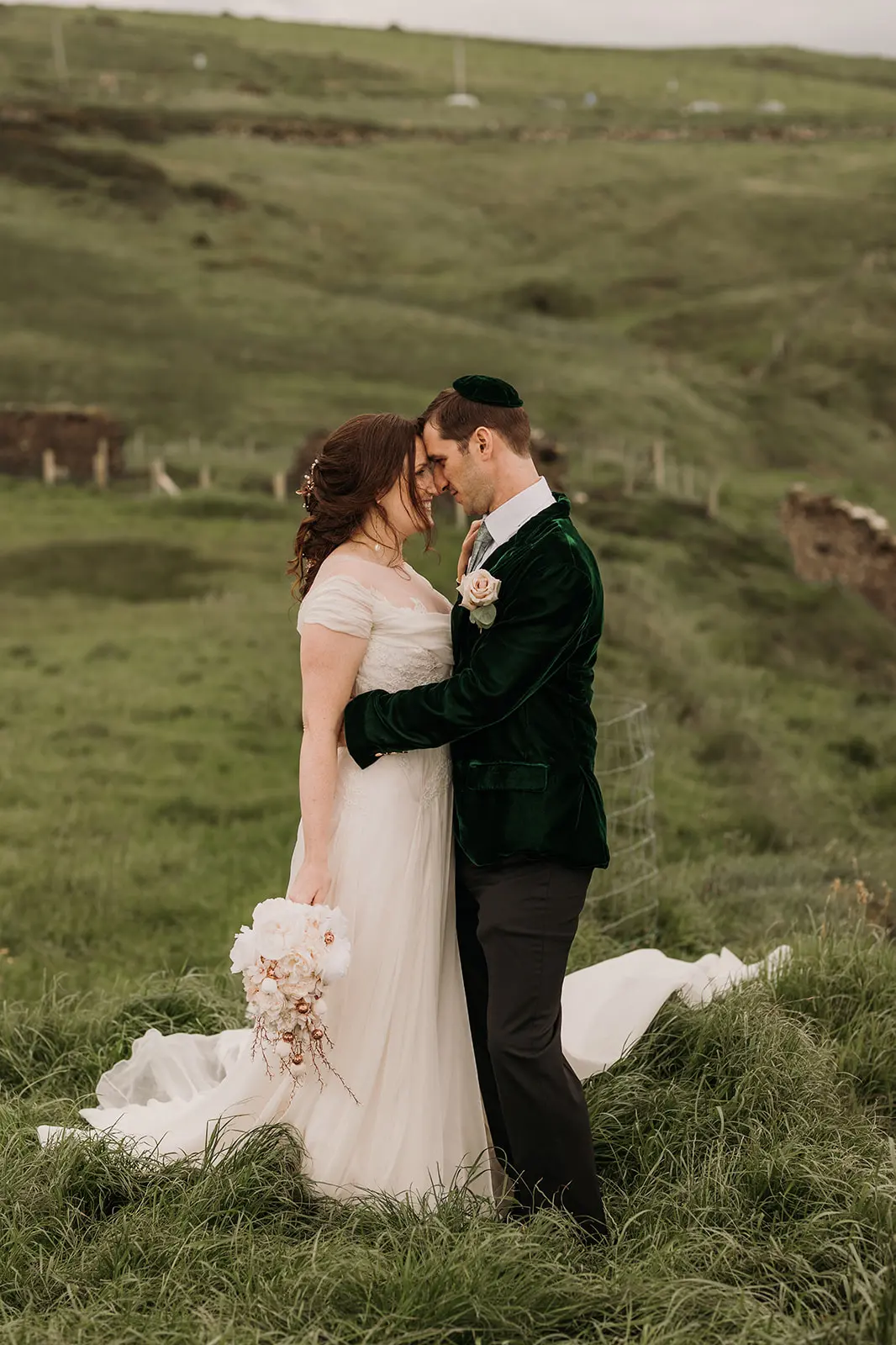
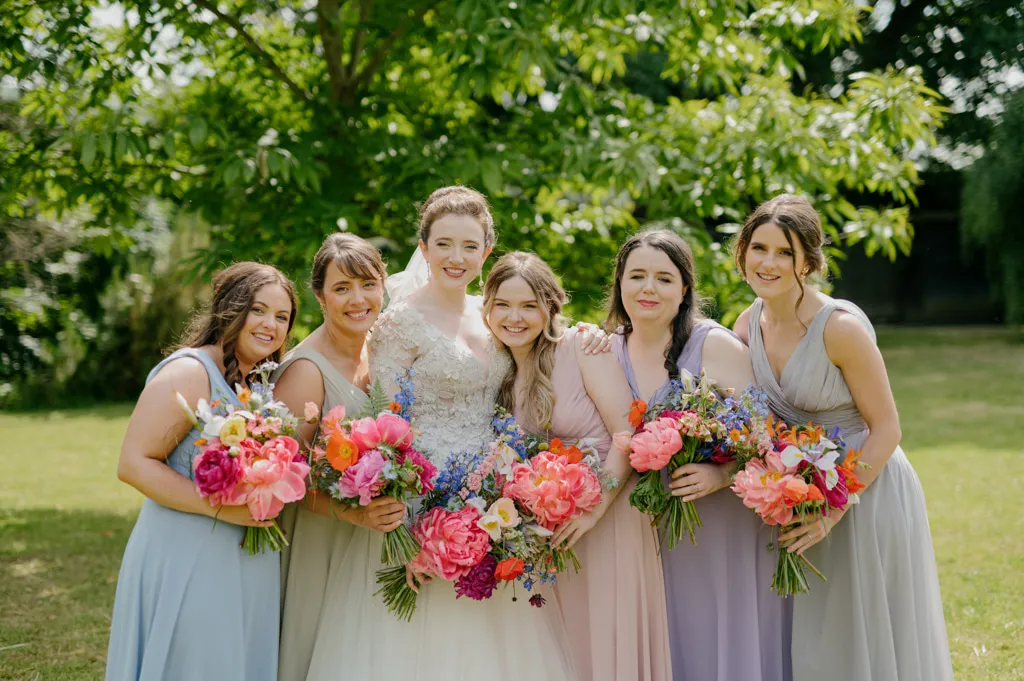
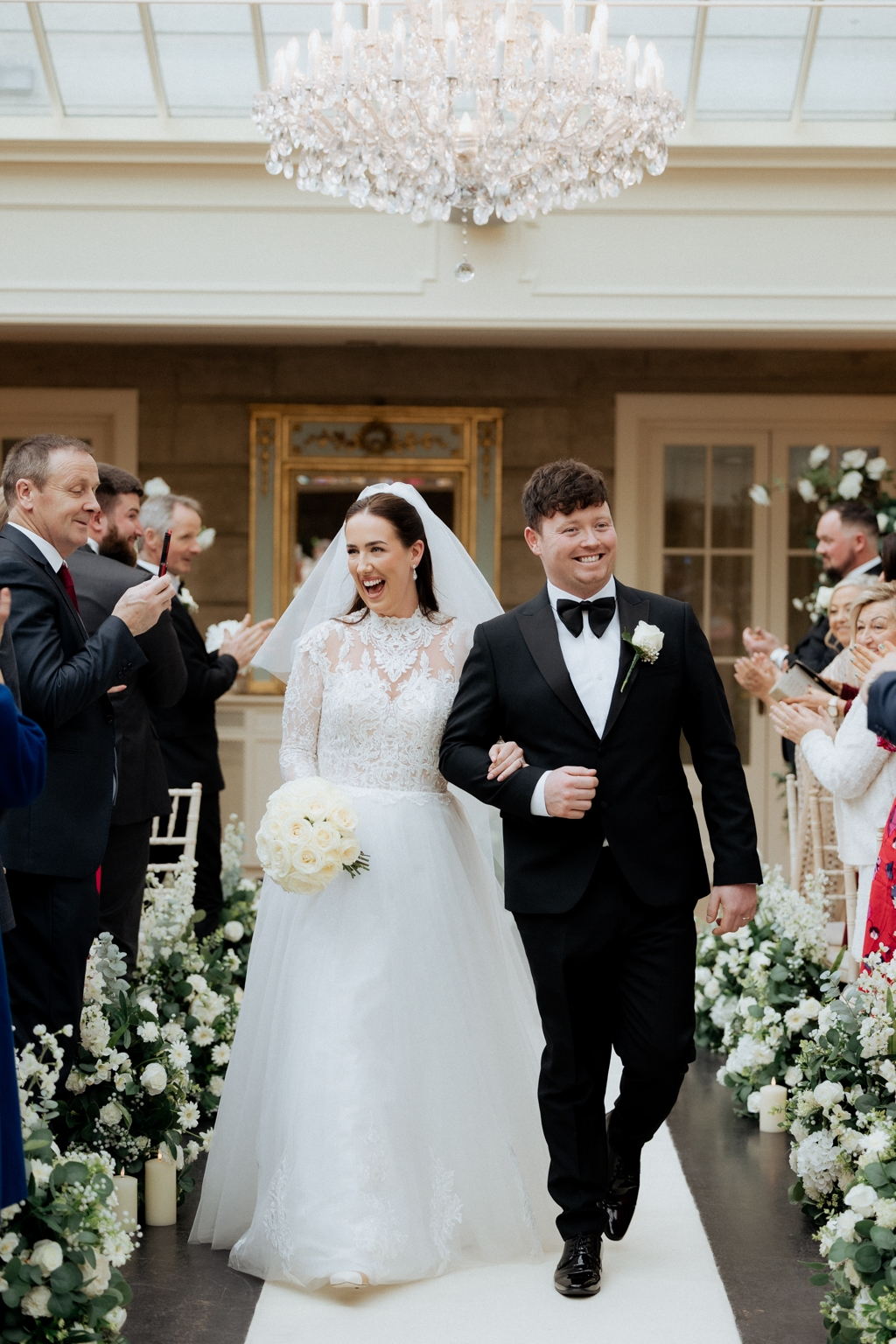
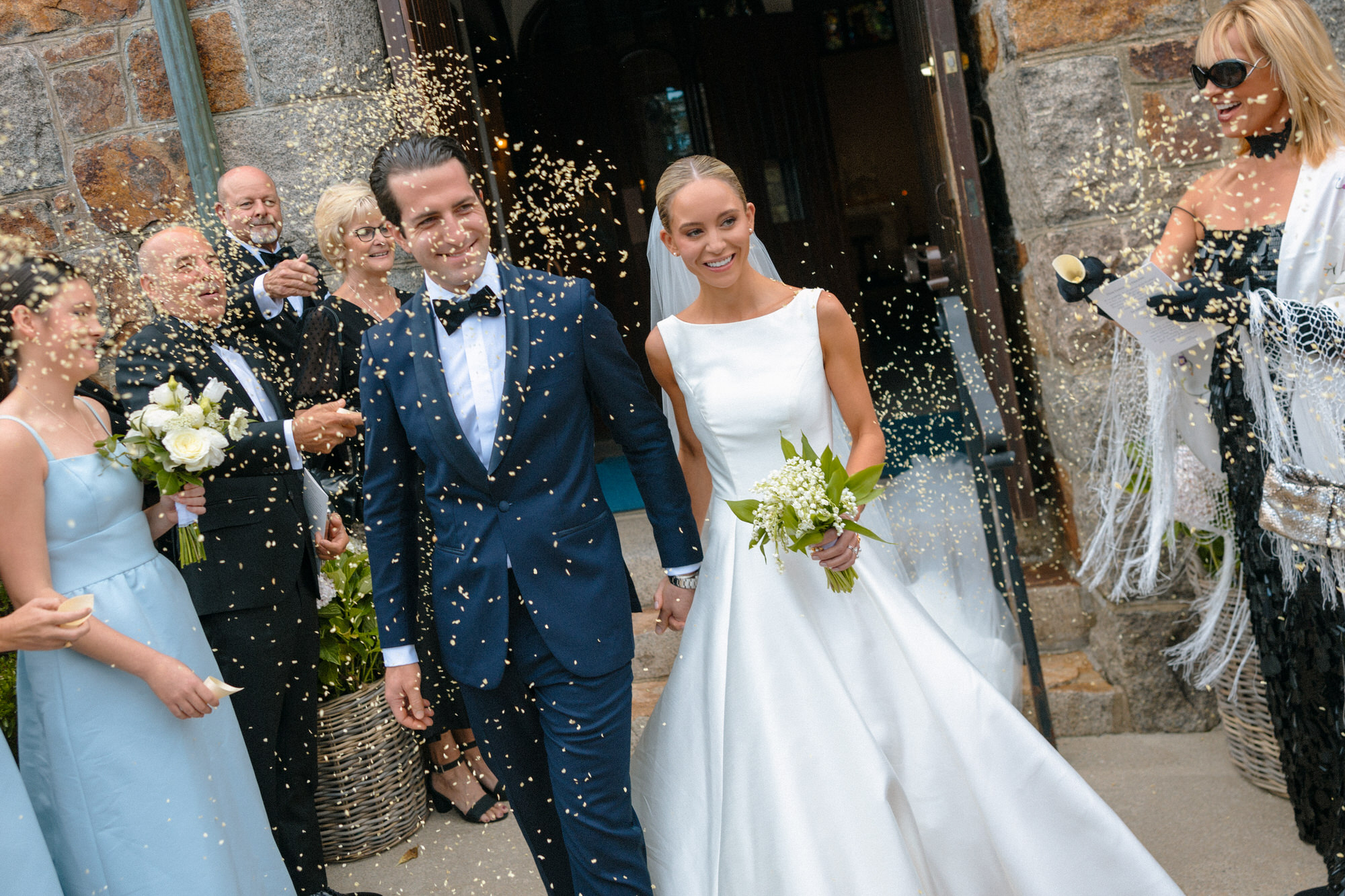
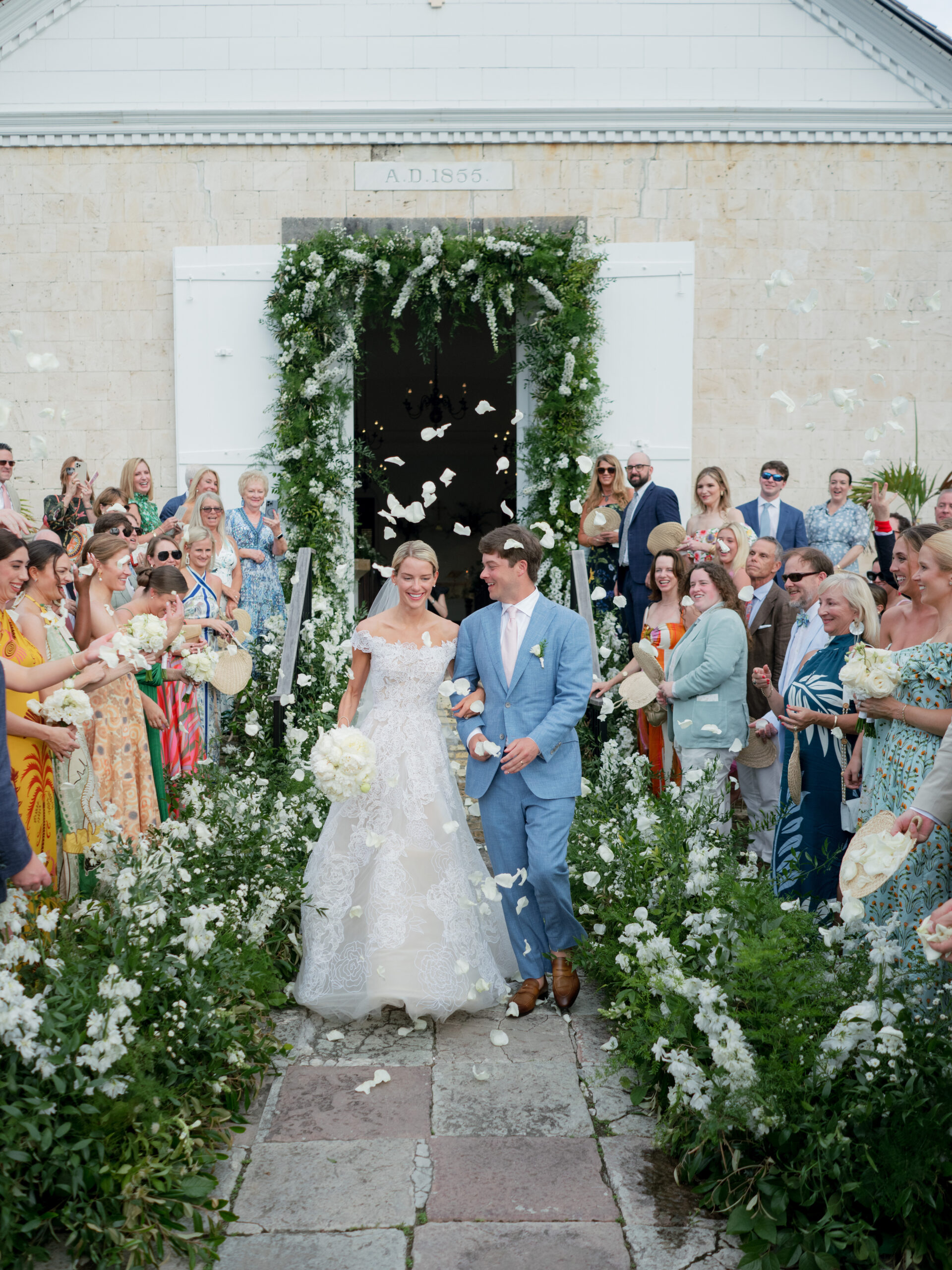
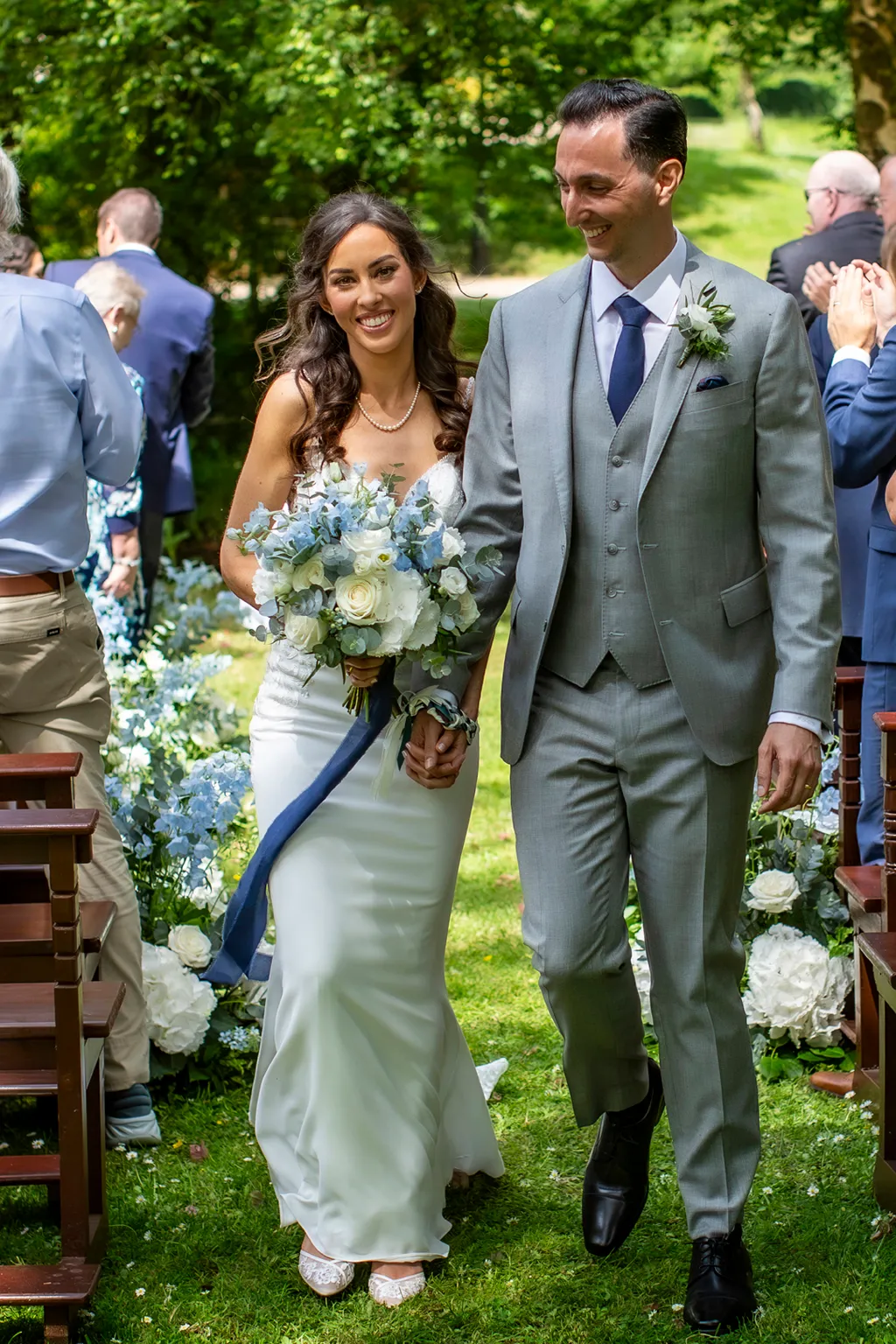
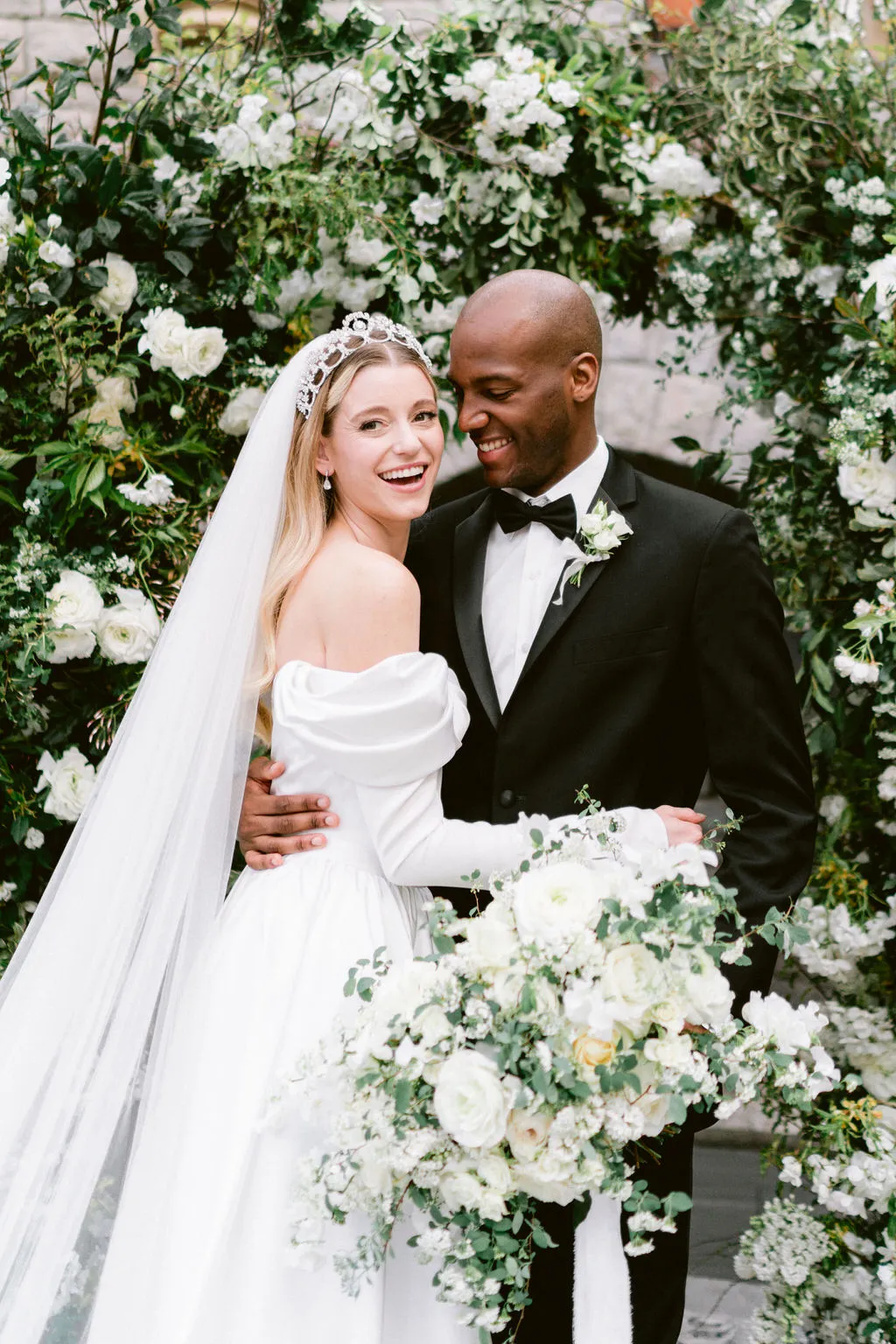
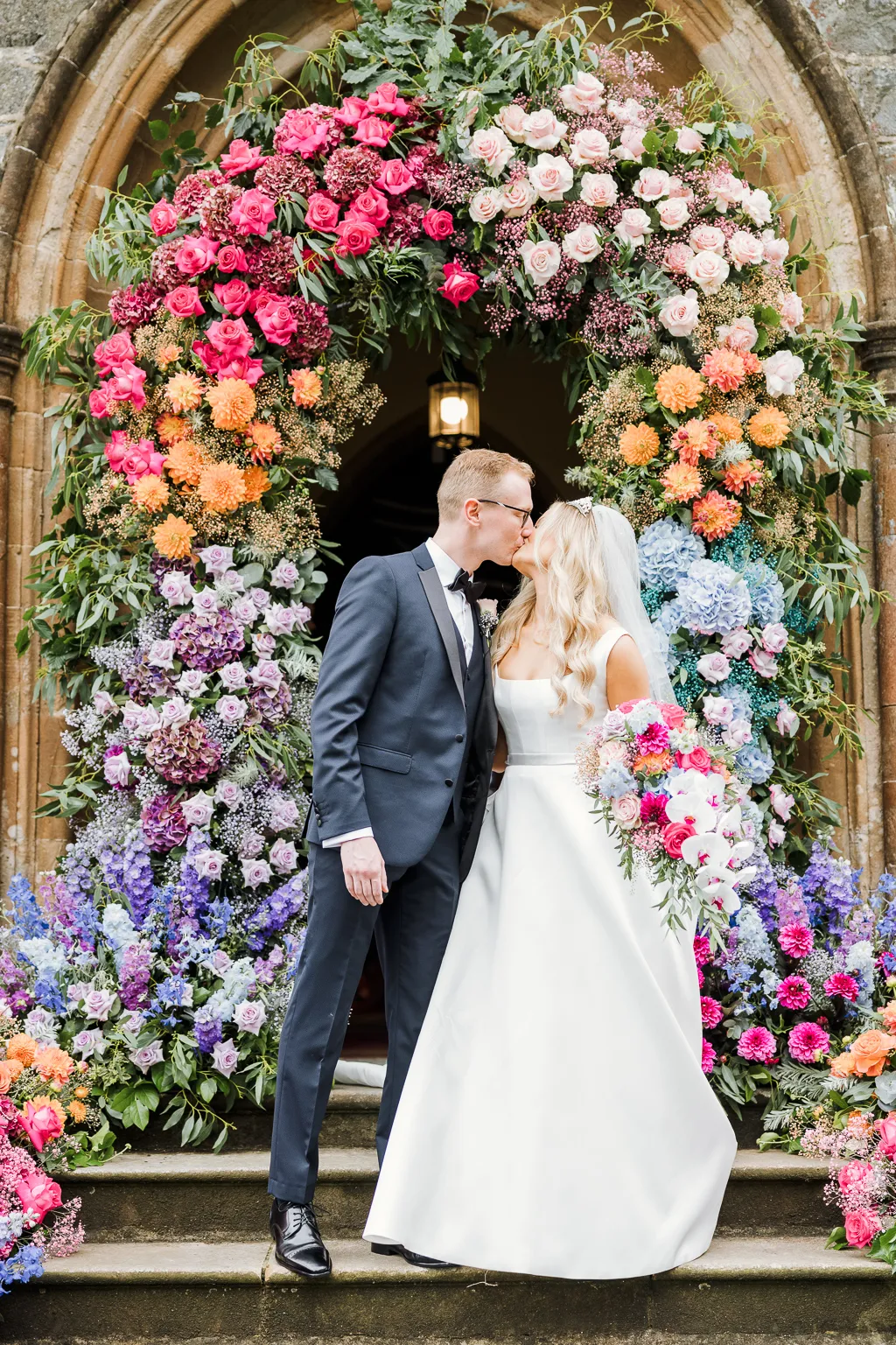
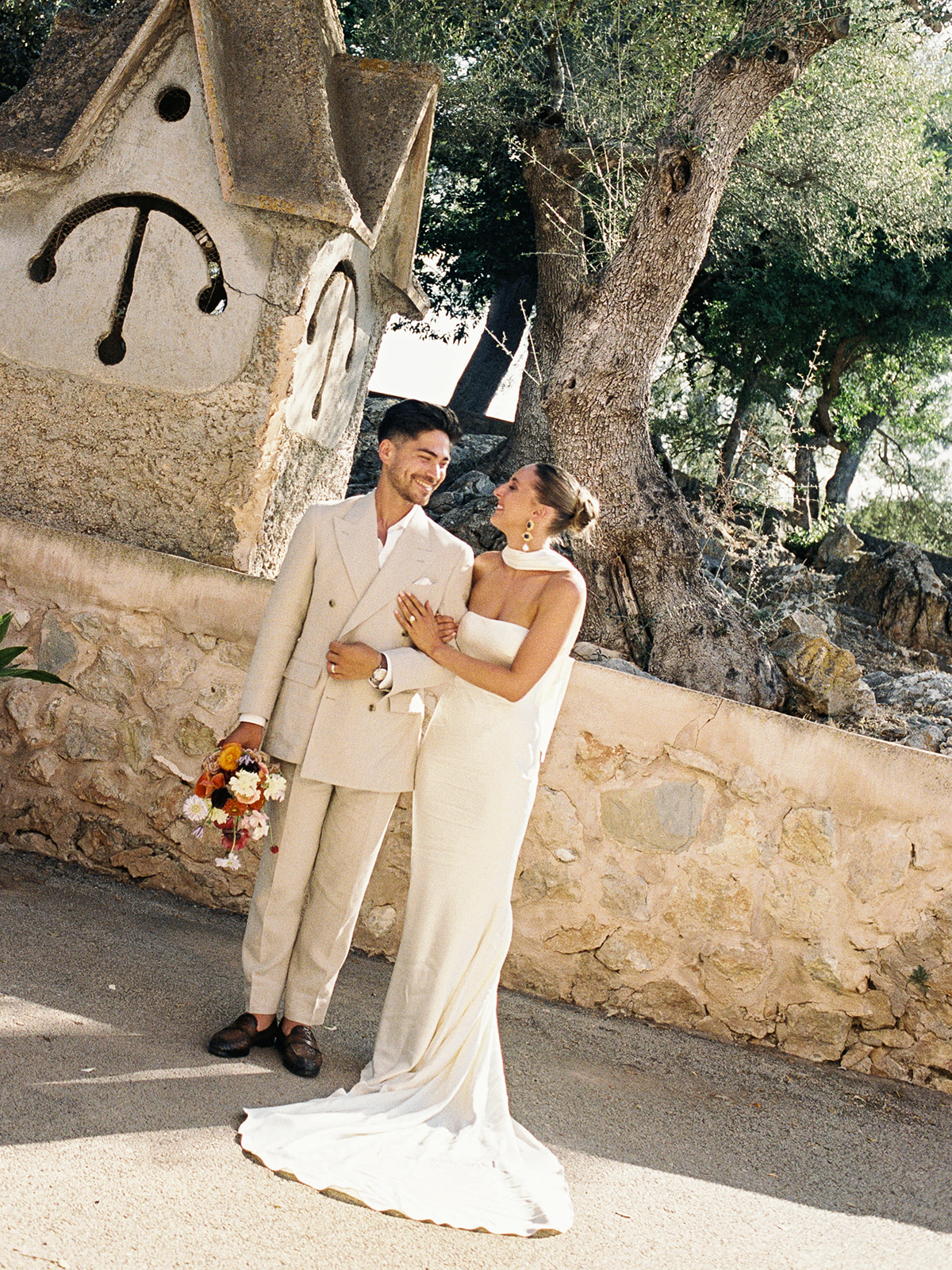
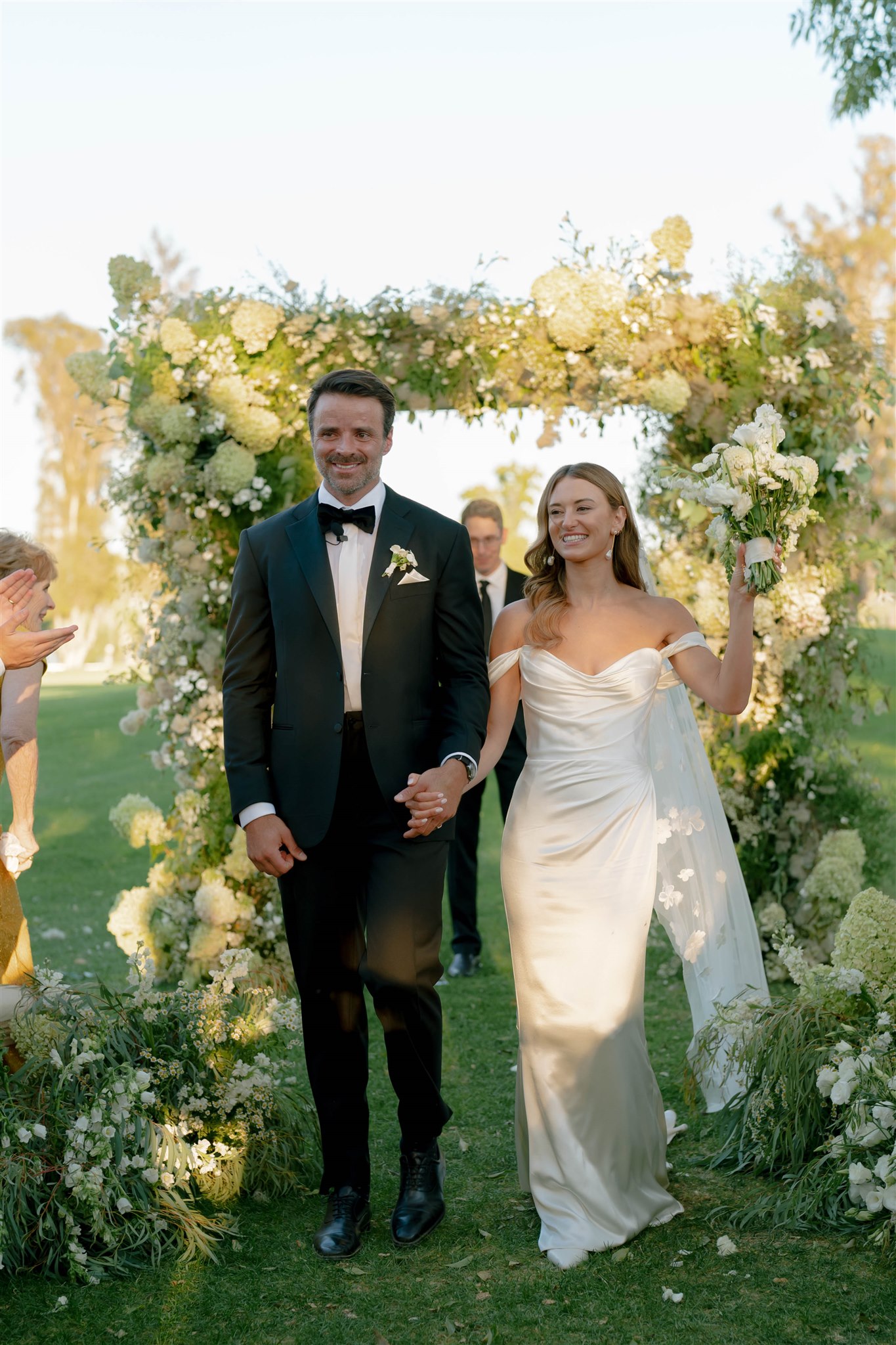
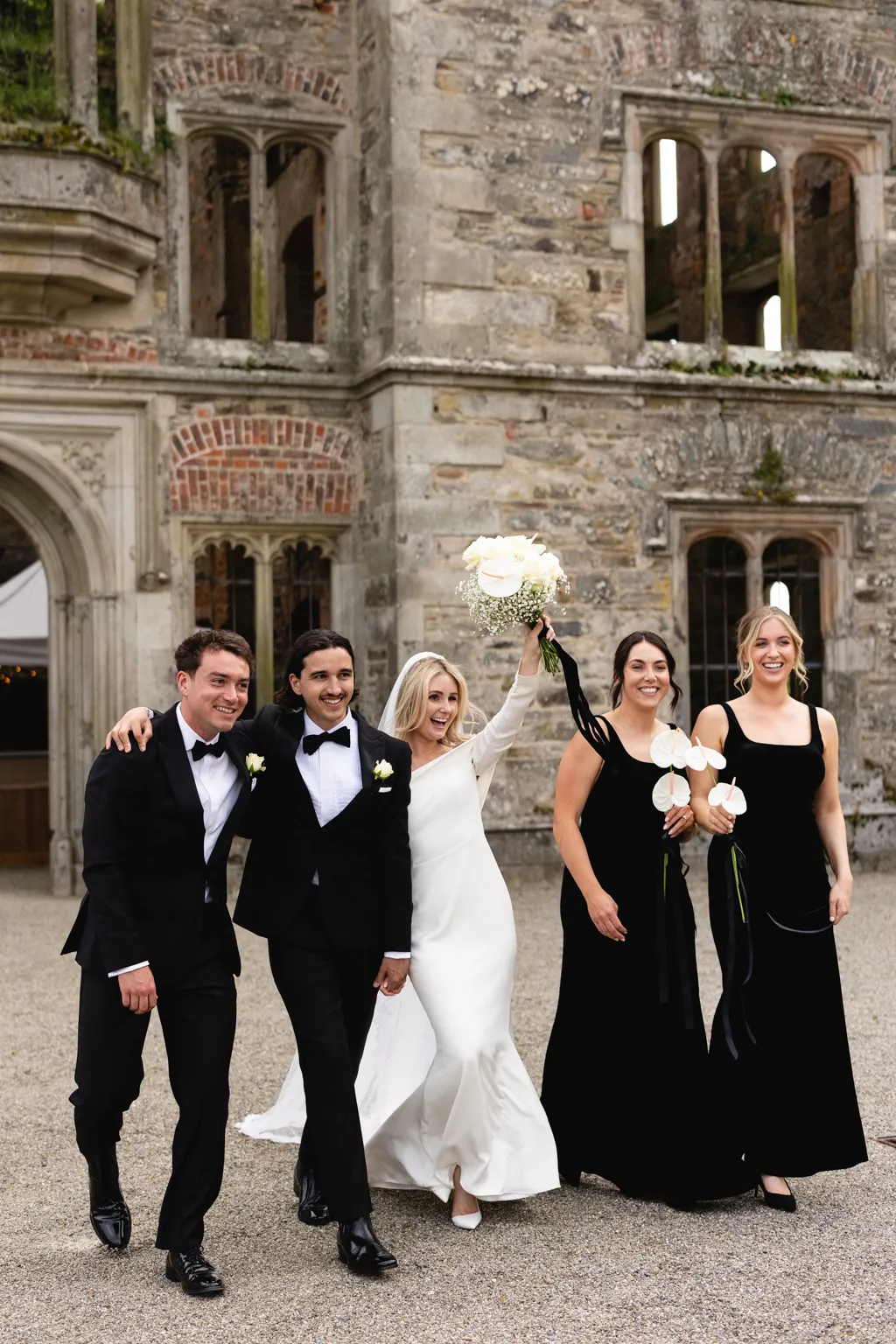
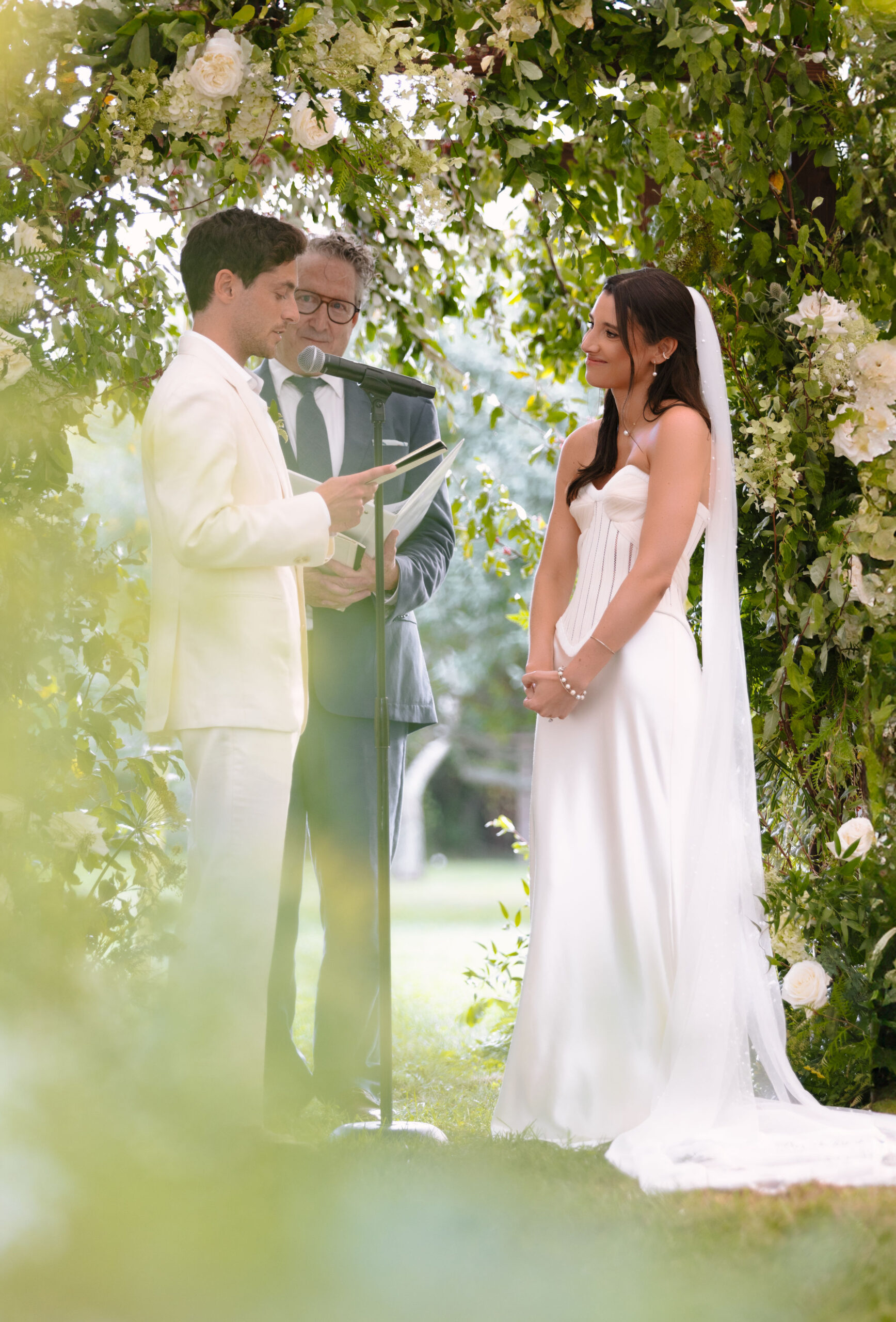
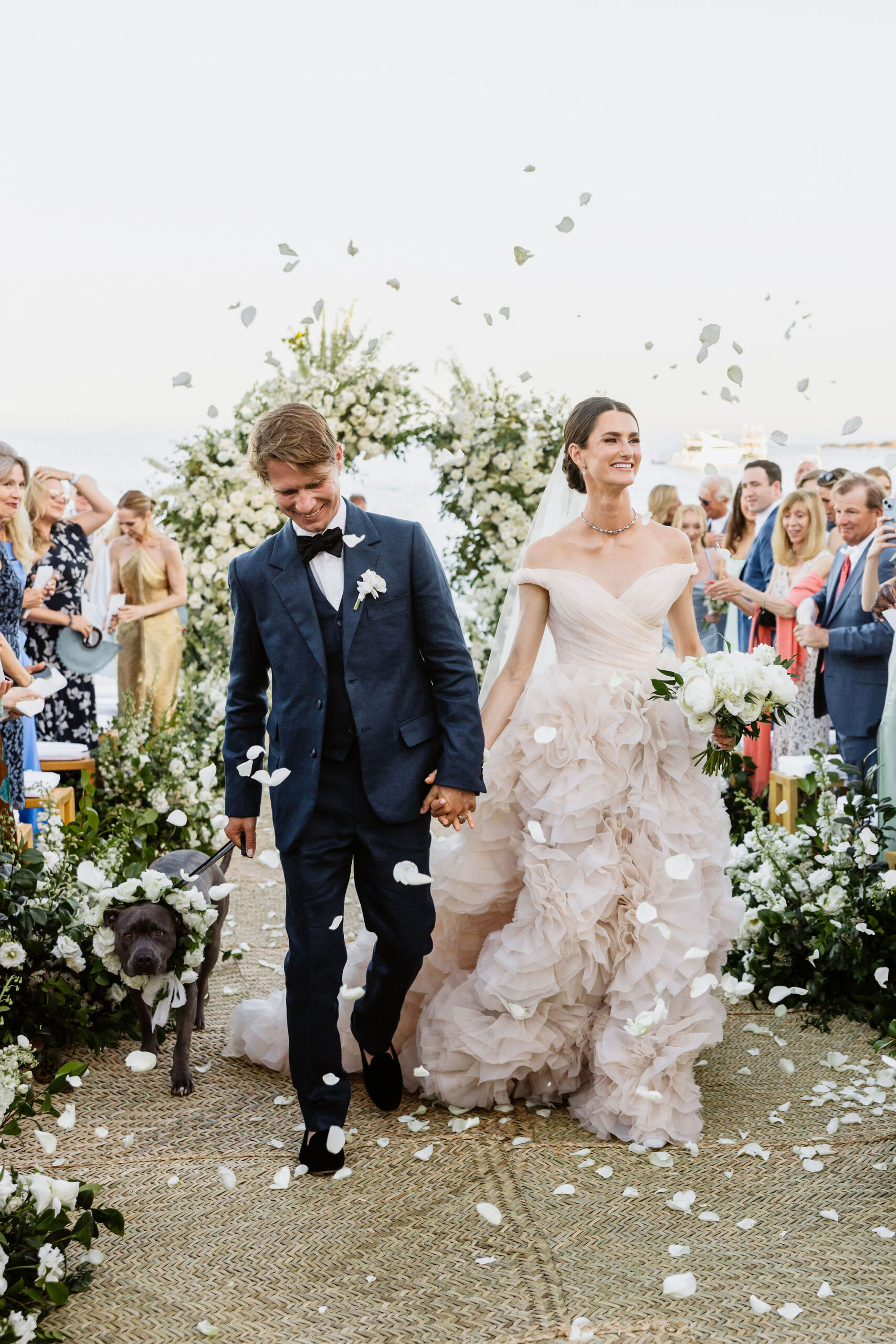
The images from this celebration make clear that the South of France was not a random destination choice, but a meaningful continuation of the emotions the couple first associated with their engagement in Paris. Rather than recreating one city, they translated that earlier moment into a broader French atmosphere: warm light, layered stone architecture, and an unhurried rhythm that feels both romantic and grounded. In that sense, the setting works as narrative continuity, linking two milestones through place and mood instead of repetition.
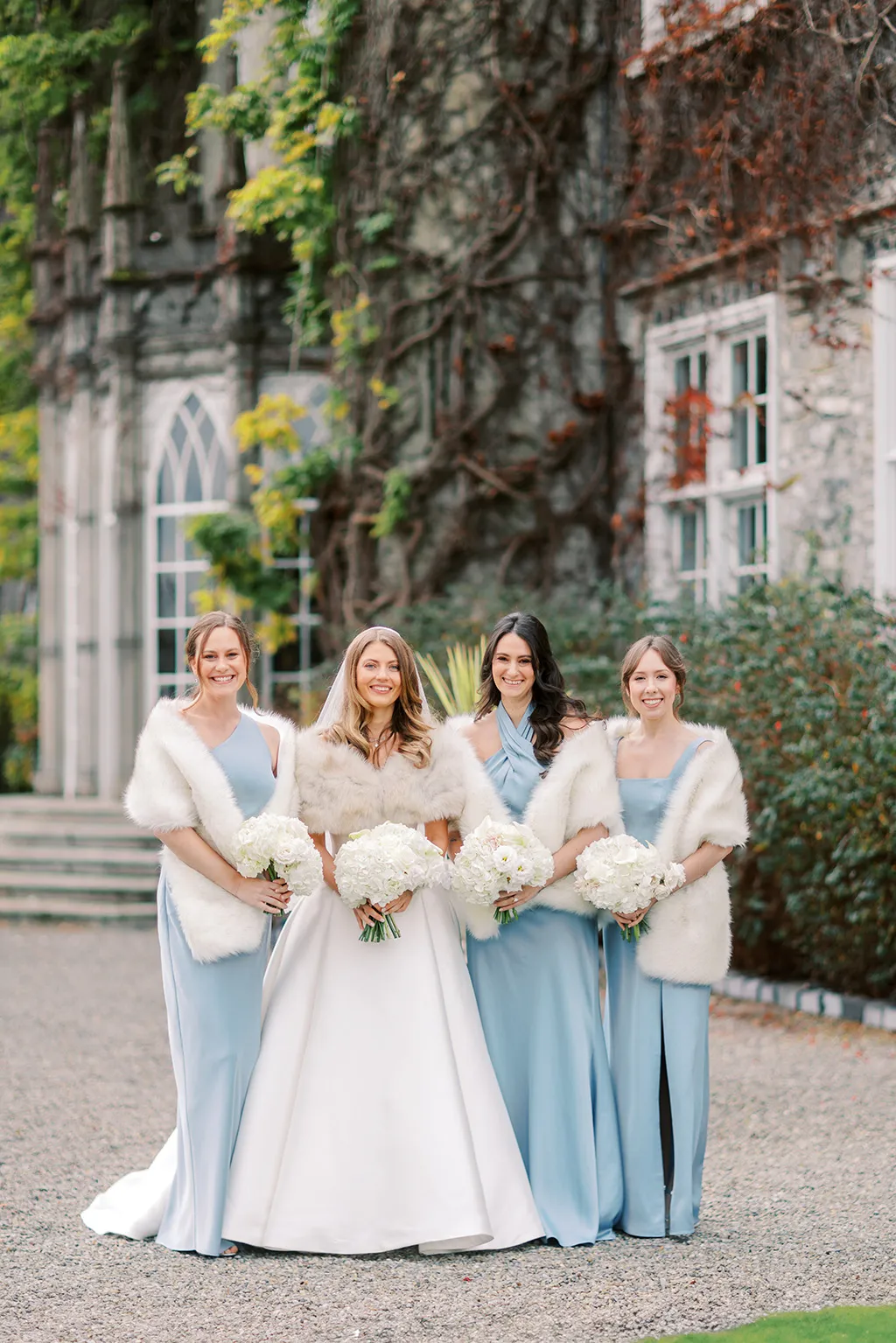
Chateau Saint-Martin appears to have been selected quickly because it immediately matched both their practical vision and their emotional instinct. The property offers the formal elegance expected of a destination wedding, yet it still feels intimate enough for personal moments to stand out. That balance likely made the decision straightforward: the venue could hold a multi-day celebration with visual cohesion while still reflecting the couple’s own story. The gallery supports that reading, with each frame moving naturally between grand scenery and close, human detail.
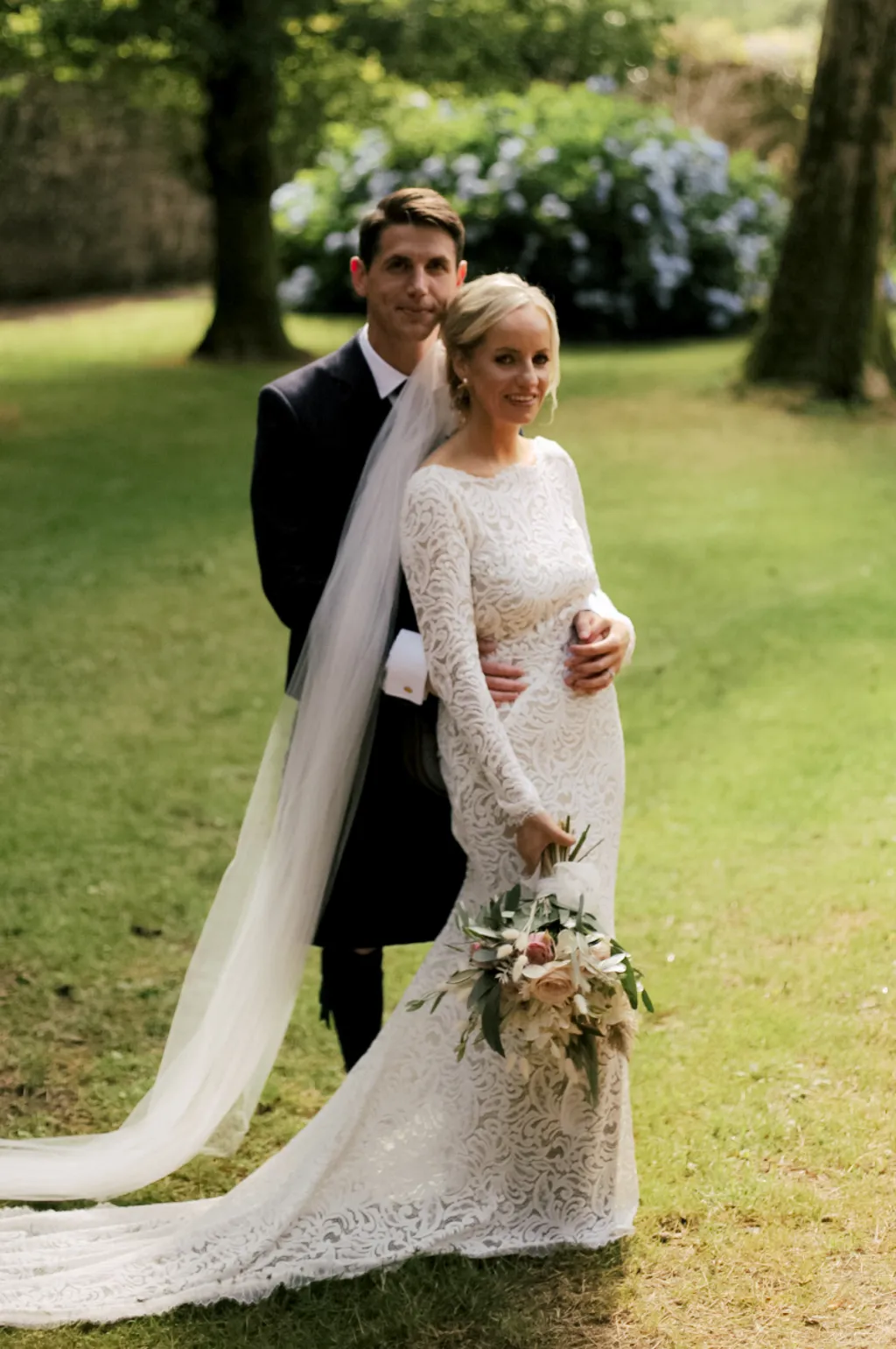
Another defining choice was their commitment to longevity over trends. Across the styling, there is a clear preference for timeless composition, restrained color direction, and classic silhouettes that can remain relevant decades from now. Nothing feels designed for a fleeting social-media moment; instead, the visual language favors proportion, texture, and emotional clarity. This is the kind of wedding design approach that ages gracefully because it is anchored in meaning rather than novelty.
The overall brief appears to balance four priorities with unusual discipline: classic elegance, personal storytelling, visual coherence, and respect for the local setting. Decorative decisions complement, rather than compete with, the character of Chateau Saint-Martin and the surrounding landscape. Personal touches are present, but they are integrated with restraint so the destination still speaks for itself. Taken together, the gallery presents a celebration that feels deeply individual while remaining context-aware, refined, and enduring.





 Admin Zalo OA
 Mrs. Ha
 Admin
Admin
)
)